
How to Evaluate a Used Car Before Placing a Serious Offer
Compare condition, demand price, inspection score, auction sheet details and ownership documents before you commit.
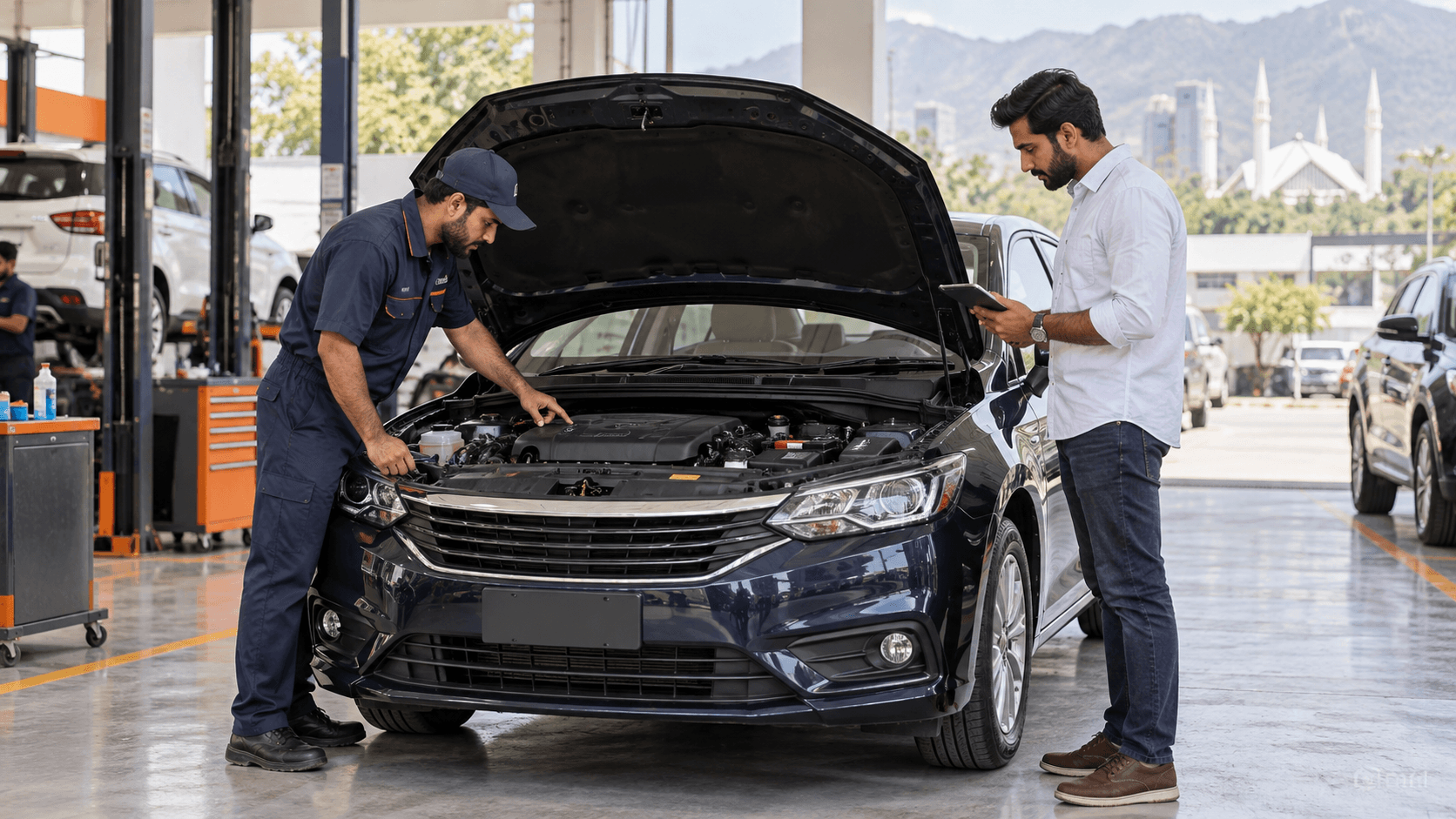
Buying a used car should never depend on guesswork. A clean-looking car can still hide mechanical issues, repaint work, accident history, unpaid documents, or unrealistic pricing. Before placing a serious offer, slow down and compare the details that actually affect value.
Start with the vehicle’s basic condition. Look at the exterior panels, paint consistency, tyres, lights, windscreen, dashboard warning lights, seats, and interior wear. A car with low mileage but heavy interior wear may not be as clean as the odometer suggests. A car with fresh paint on one side may need deeper inspection before you negotiate.
Next, compare the demand price with similar cars in the same city, model year, mileage range, transmission, variant, and condition. The cheapest car is not always the best deal, and the most expensive car is not always the cleanest. A fair price usually makes sense when condition, documents, and inspection results all support it.
If the car has a CarMandi inspection report, read it before making the offer. Focus on the final score, mechanical notes, body condition, photos, and any warnings. Do not only look at the headline score. A car can have a good overall score but still need tyre replacement, suspension work, paint correction, or fluid service.
Also verify ownership documents. Check registration city, chassis number, engine number, transfer status, tax records, and seller identity. If an auction sheet is available for an imported car, verify it before trusting the grade.
A serious offer should be based on four things: current market price, inspection condition, paperwork confidence, and your repair budget. When all four are clear, you can negotiate with confidence and avoid emotional overbidding.