Petrol at Rs387.40: What Seven Months of Fuel Inflation Means for Car Buyers
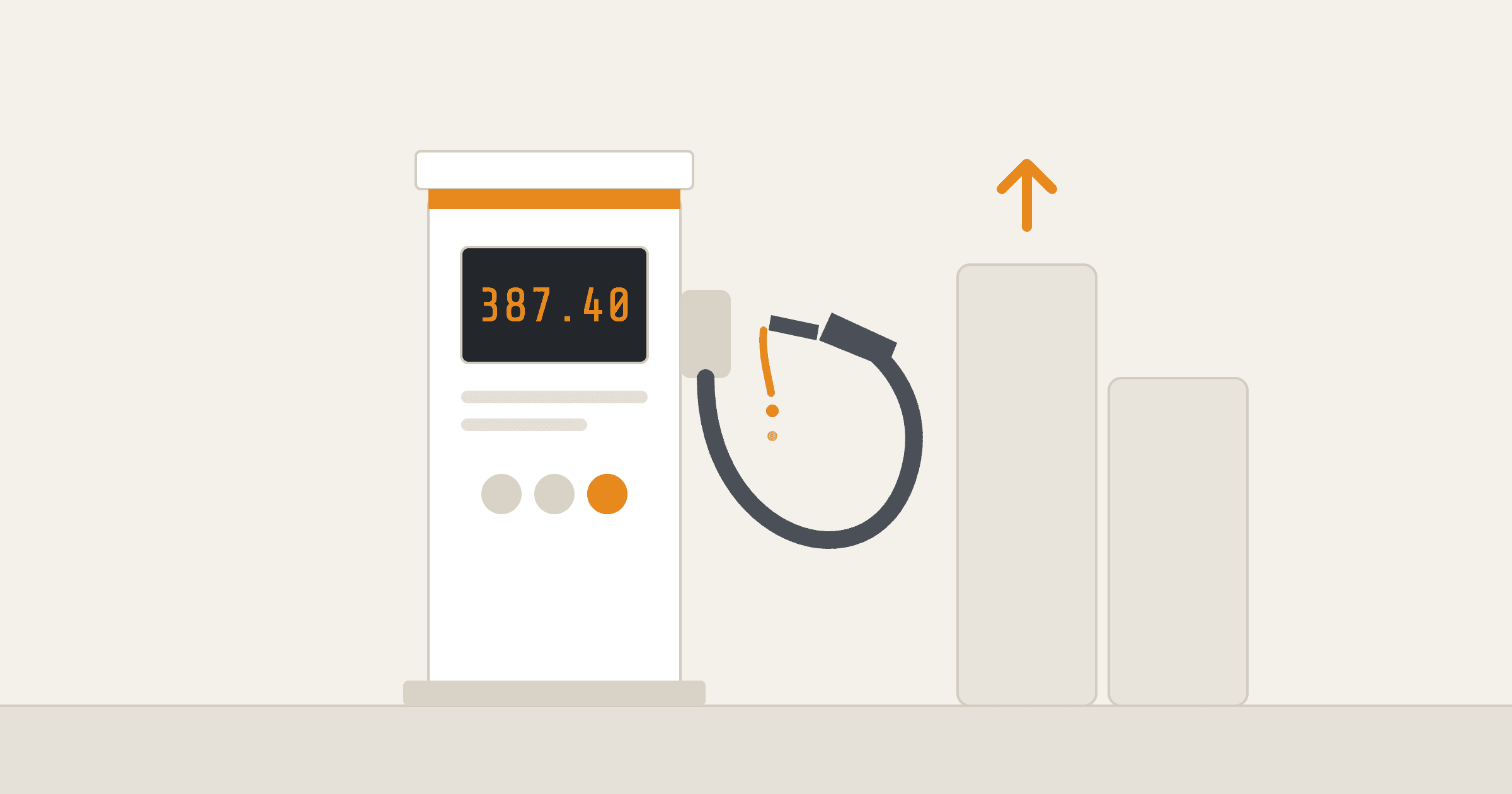
The Petroleum Division has set petrol at Rs387.40 per litre from 1 October 2026. That is 14 paisas lower than the previous day’s Rs387.54. High-speed diesel comes down by Rs1.89 to Rs400.35.
On its own, a 14-paisa revision has no effect on anyone’s running costs. The figure that matters is the March 2026 price of Rs321.17. Petrol has gone up by about Rs66 per litre since then, an increase of roughly 20% in seven months.
Anyone buying a car in Pakistan right now should be planning around that increase, not around the daily revisions.
How Pricing Works Under the New System
Pakistan revised fuel prices every fortnight until February 2026. After the US-Iran conflict started that month, the government moved to weekly revisions. In July the federal cabinet transferred pricing authority to OGRA and approved daily revisions.
OGRA now calculates petrol and diesel prices from a seven-working-day average of international Platts rates. New rates apply from midnight. Prices are held on Saturdays, Sundays and public holidays.
In practice, local pump prices now track global crude and the rupee within a week. That makes prices more transparent, and it also makes them more volatile. Owners should expect frequent small movements in both directions, with the overall level decided by the oil market.
The Cost of Fuel Economy Has Gone Up
Fuel efficiency has always mattered to Pakistani buyers. At current prices, the rupee difference between an efficient car and a thirsty one is large enough to affect the overall cost of ownership.
The figures below assume 1,500 km per month, which is a typical urban usage pattern.
| City average | Monthly cost at Rs387.40 | Monthly cost at Rs321.17 (March 2026) |
|---|---|---|
| 10 km/l | PKR 58,110 | PKR 48,176 |
| 15 km/l | PKR 38,740 | PKR 32,117 |
| 20 km/l | PKR 29,055 | PKR 24,088 |
| 25 km/l | PKR 23,244 | PKR 19,270 |
A car averaging 10 km/l now costs PKR 29,055 more per month to run than one averaging 20 km/l. Over a year that adds up to almost PKR 3.5 lakh. On a lot of mid-range used cars, that is more than a buyer would save by negotiating the price down.
These figures cover fuel only. Maintenance, tyres, insurance and token tax come on top.
Rated Mileage and Real Mileage Are Not the Same
Buyers usually compare fuel economy using the figures from the manufacturer or the seller. On a used car those figures often mean little. Real consumption depends on the car’s mechanical condition.
Low compression, dirty injectors, faulty oxygen sensors, worn spark plugs, sticking brake calipers and under-inflated tyres all increase fuel use. A short test drive will not reveal any of them. A car that should average 14 km/l in the city can easily return 10 or 11.
Imported hybrids need extra care. When an Aqua or Prius has a degraded hybrid battery, the petrol engine does much more of the work. Sellers will still quote the car’s original fuel average. At current fuel prices, a weak battery wipes out much of the reason for buying a hybrid.
Advice for Buyers
Look at purchase price and running cost together. Work out your actual monthly distance, then cost each car you are considering at the current OGRA rate and a realistic city average.
Have the car checked by someone other than the seller. The things that affect fuel economy are the ones that matter most: engine health, service history, and battery condition on hybrids. For imported cars, the auction sheet records the grade and odometer reading at export. If the current odometer does not match, walk away.
Advice for Sellers
Owners of cars in good condition should back that up with documents. An independent inspection report showing a healthy engine gives buyers a reason to pay your asking price, especially now that fuel costs are on every buyer’s mind.
Owners of larger-engine cars should expect running costs to come up in every negotiation. Pricing realistically at the outset will generally close the sale faster than waiting for a buyer who doesn’t care about fuel bills.
What to Watch
Now that pricing is daily, the domestic petrol price will follow international crude and the PKR/USD exchange rate with very little delay. Any developments in the Gulf will show up at the pump within days. So will any change to the petroleum levy, which requires Finance Division approval.
Anyone working out ownership costs should use the OGRA rate on the day they do the calculation, not a figure from last month.
Check the Car Before You Commit
A used car’s fuel economy depends on its condition, and condition has to be verified. Car Mandi’s private car inspection service costs PKR 4000 and covers the car’s mechanical health before you pay. For imported hybrids, auction sheet verification costs PKR 1,500 and confirms the export grade and original mileage.
All prices in this article are as of 1 October 2026.