Pakistan’s New Auto Policy 2026–31: 1% EV Tax and Rs10 Million Financing Could Make Electric Cars Cheaper
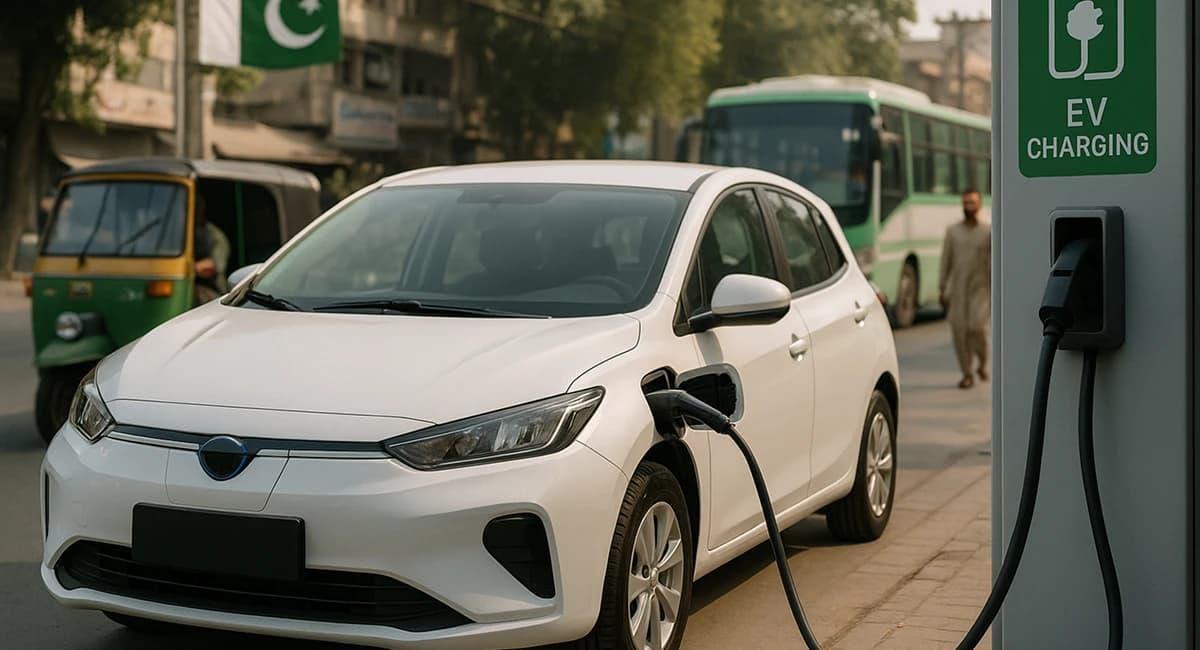
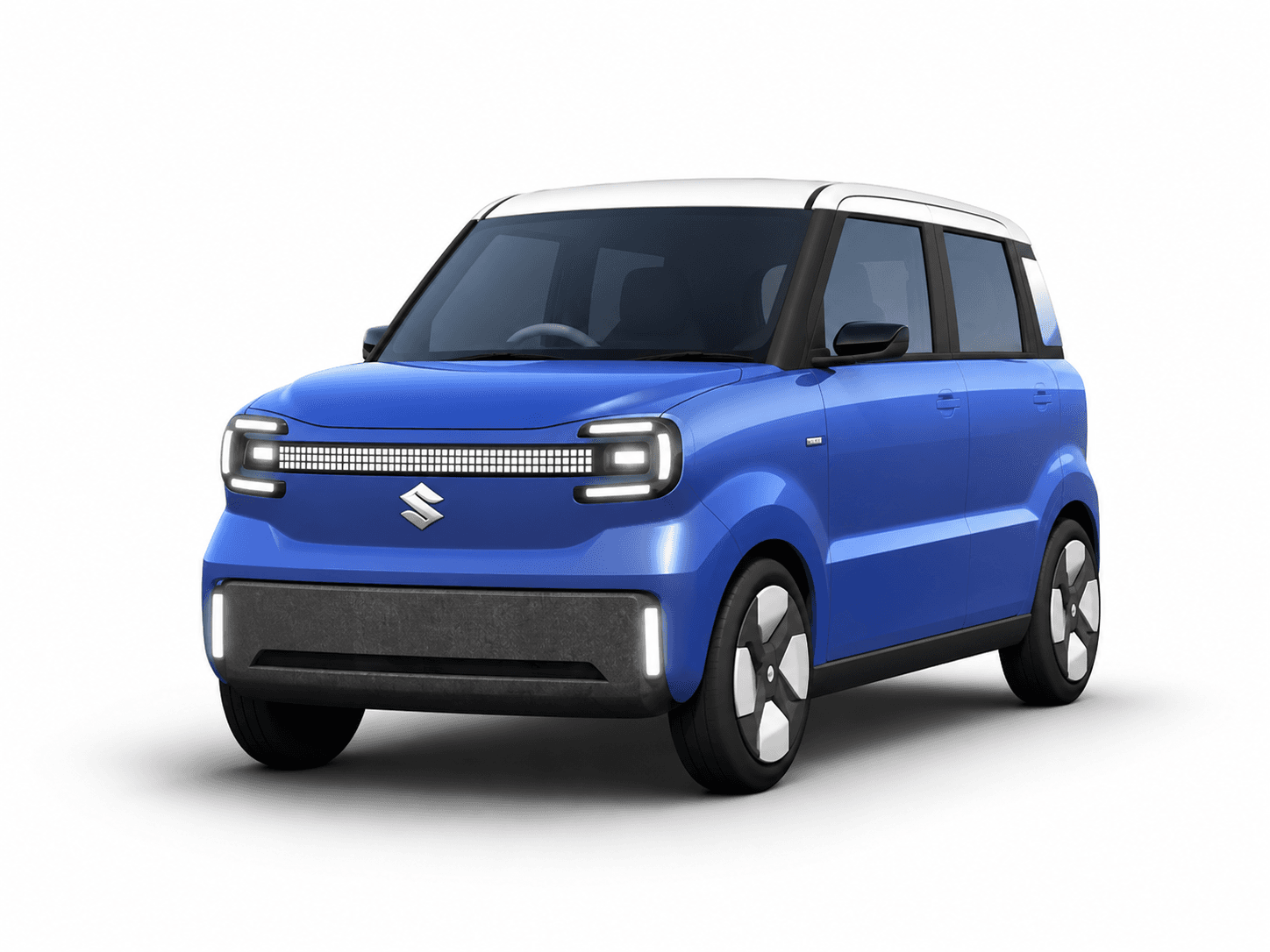
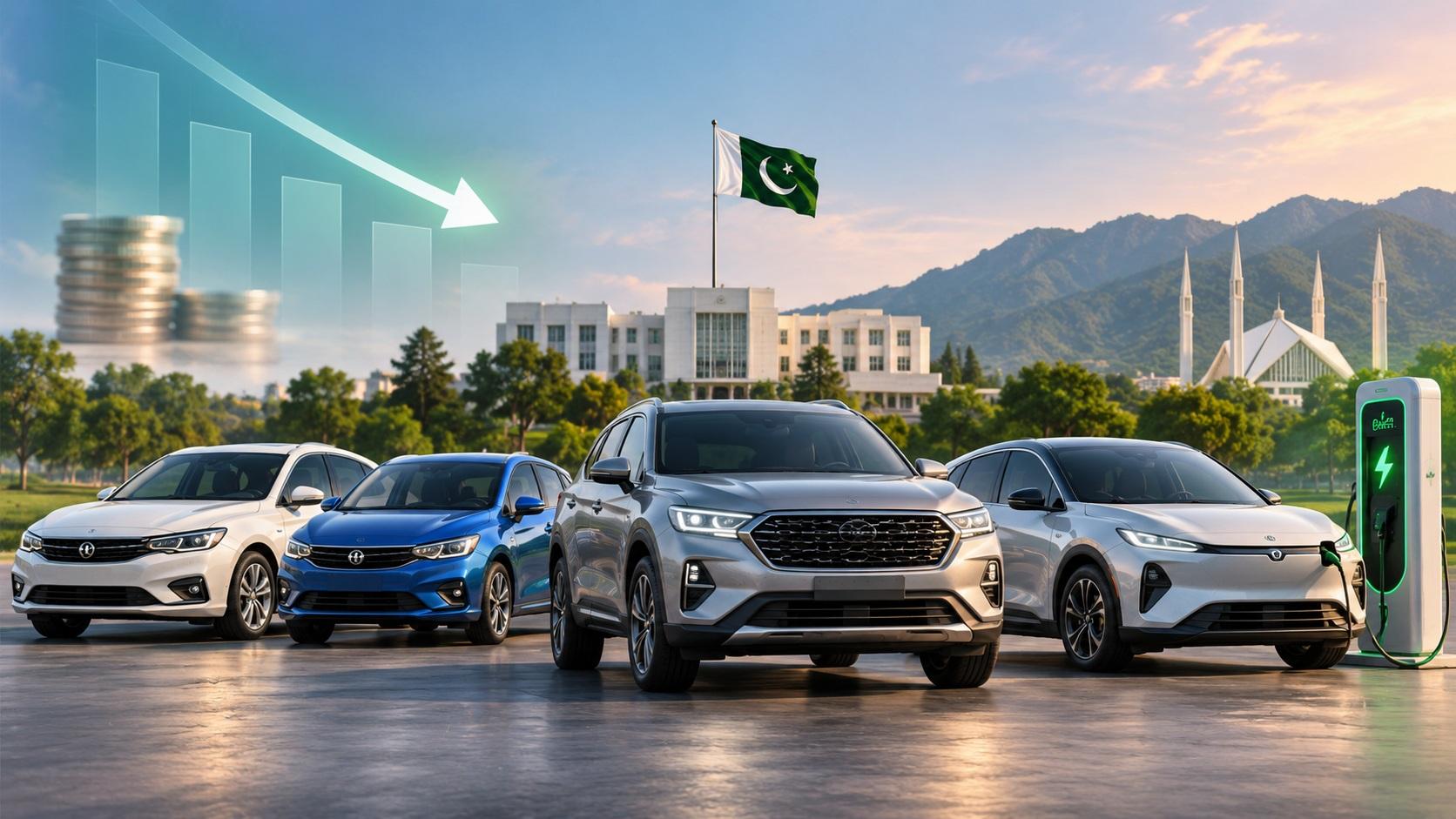
Pakistan’s proposed Auto Policy 2026–31 could make electric vehicles more affordable through lower taxes, increased bank financing and incentives for charging infrastructure. Announced by the federal government on November 7, 2026, the policy aims to accelerate EV adoption, strengthen local manufacturing and reduce dependence on imported fuel.
The proposals could benefit Pakistani car buyers, although their impact on showroom prices will depend on final government approval and implementation.
Proposed EV Tax Cuts Could Lower Car Prices
One of the policy’s biggest highlights is a revised sales tax structure designed to encourage electric mobility.
The proposed sales tax rates are:
- Battery Electric Vehicles (BEVs): 1%
- Range-Extended Electric Vehicles (REEVs): 6%
- Plug-in Hybrid Electric Vehicles (PHEVs): 9%
The government has also proposed exemptions from Capital Value Tax (CVT), Withholding Tax (WHT) and Federal Excise Duty (FED) for qualifying electric vehicles priced up to $50,000.
These incentives could lower the purchase cost of eligible EVs, particularly as more manufacturers introduce locally assembled electric models.
EV Financing Limit to Increase to Rs10 Million
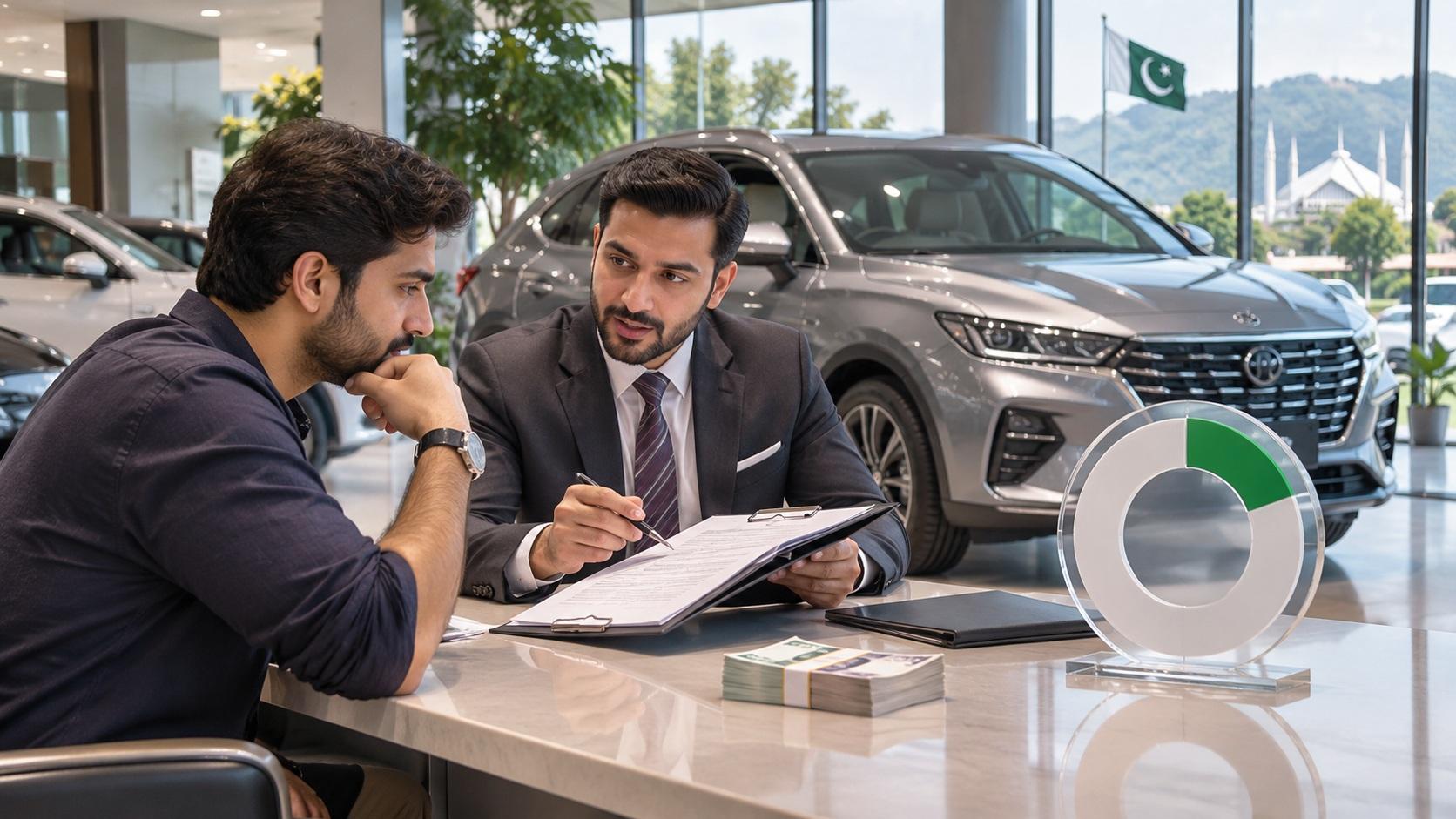
The policy proposes raising the electric vehicle financing limit from Rs3 million to Rs10 million, alongside extending the repayment period from three to five years.
This could make EV ownership more accessible to buyers who cannot afford the full purchase price upfront.
However, monthly instalments will still depend on bank financing rates, down payments and eligibility requirements.
Charging Infrastructure Gets New Incentives
Pakistan’s limited public charging network remains a major obstacle to widespread EV adoption.
To address this, the government has proposed reducing sales tax on charging equipment to 1% and eliminating customs duty on eligible charging equipment.
Financial support for charging stations is also planned, potentially encouraging private investment and improving charging availability across major cities and highways.
IMF Raises No Objection to New Policy
In a significant development, reports published on November 12 confirmed that the International Monetary Fund (IMF) had raised no objection to the proposed automotive policy framework.
The government is now expected to seek federal cabinet approval before introducing the necessary legislation in Parliament.
Until these steps are completed, the proposed tax concessions should not be considered fully implemented.
Will Electric Cars Become Cheaper in Pakistan?
The proposed incentives could reduce EV ownership costs and encourage competition among existing manufacturers and new electric vehicle brands.
However, exchange-rate fluctuations, imported battery costs, local production expenses and charging availability will continue to influence affordability.
Key Highlights
- Fully electric vehicles could benefit from 1% sales tax.
- EV financing could increase to Rs10 million over five years.
- Qualifying EVs under $50,000 could receive additional tax exemptions.
- Charging infrastructure could benefit from reduced duties.
- Final implementation remains subject to regulatory and legislative approval.
Pakistan’s Auto Policy 2026–31 offers a promising direction for electric mobility, but buyers will need to see actual price reductions before its affordability benefits become clear.