Pakistan’s New Auto Policy 2026–31: Will Car Prices Actually Come Down?
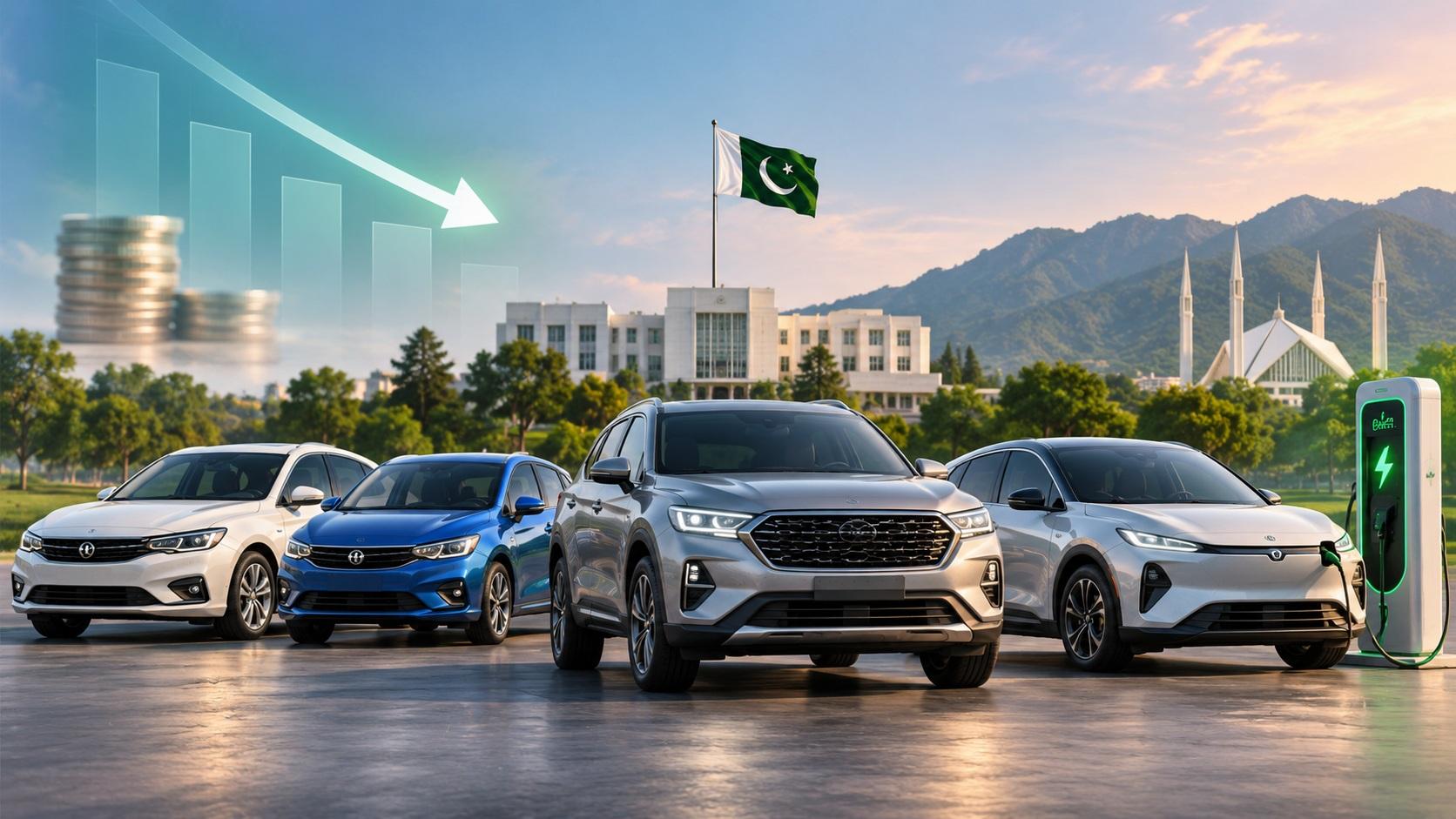
Pakistan’s new Automotive Industry Policy 2026–31 could bring changes to vehicle prices, manufacturing costs and competition in the local auto market. Announced by the government on November 7, 2026, the policy aims to make vehicles more affordable, encourage electric vehicle (EV) adoption and make the local automotive industry more competitive.
However, the big question for Pakistani car buyers is whether these changes will lead to lower showroom prices. While prices could decrease gradually, immediate reductions are not guaranteed.
Government Plans Gradual Reduction in Vehicle Costs
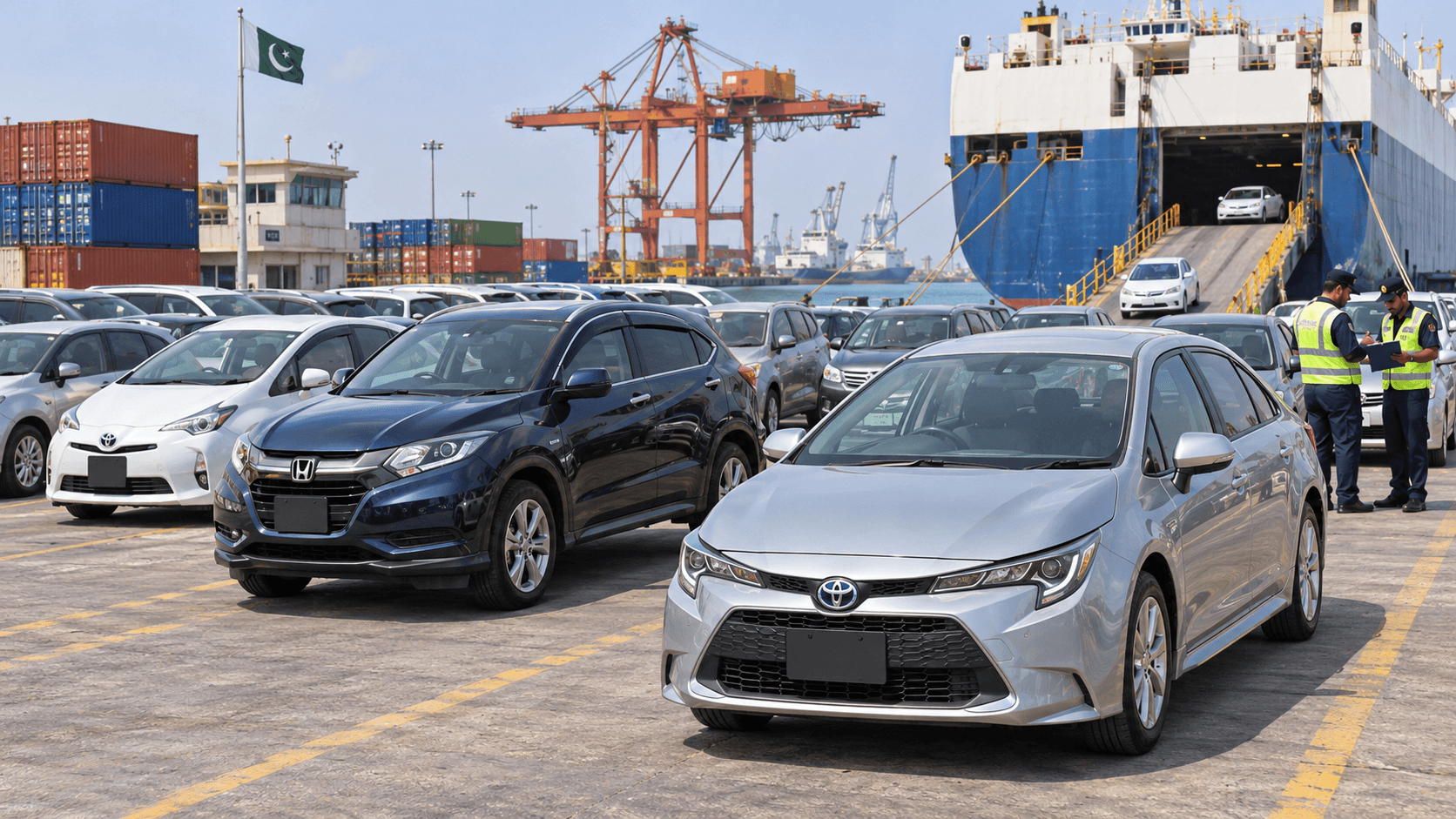
Adviser to the Prime Minister on Industries and Production Haroon Akhtar Khan says the new policy will gradually reduce import duties on completely built-up (CBU) vehicles, assembly kits and automotive components over five years.The aim is to reduce manufacturers’ production costs and make the local automobile industry more competitive. This could bring down vehicle prices across most categories.
The government has also set a five-year export target of $6 billion, with greater emphasis on localisation and domestic production. These measures are intended to reduce reliance on imported vehicles and strengthen Pakistan’s auto parts industry. For consumers, greater competition could eventually mean improved vehicle features, better quality and more choices in different price ranges.
EV Buyers Could Receive Tax Benefits
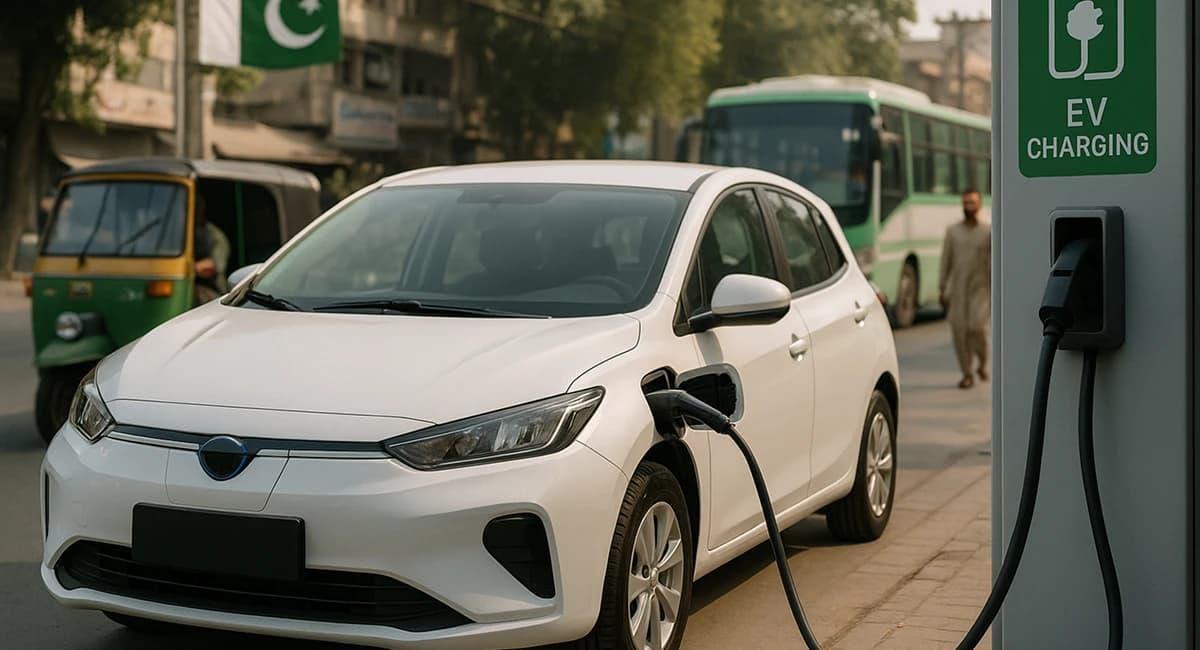
Electric and plug-in hybrid vehicles are among the key focus areas of the proposed relief under the new policy.
The proposed sales tax structure includes:
– Battery Electric Vehicles (BEVs): 1%
– Range-Extended Electric Vehicles (REEVs): 6%
– Plug-in Hybrid Electric Vehicles (PHEVs): 9%
Electric vehicles priced up to $50,000 are proposed to be exempt from capital value tax, withholding tax and federal excise duty.
These preferential rates are intended to encourage consumers to consider alternative-fuel vehicles. However, buyers should wait for the relevant government notifications before assuming that these tax rates have taken effect.
How Much Could Car Buyers Save?
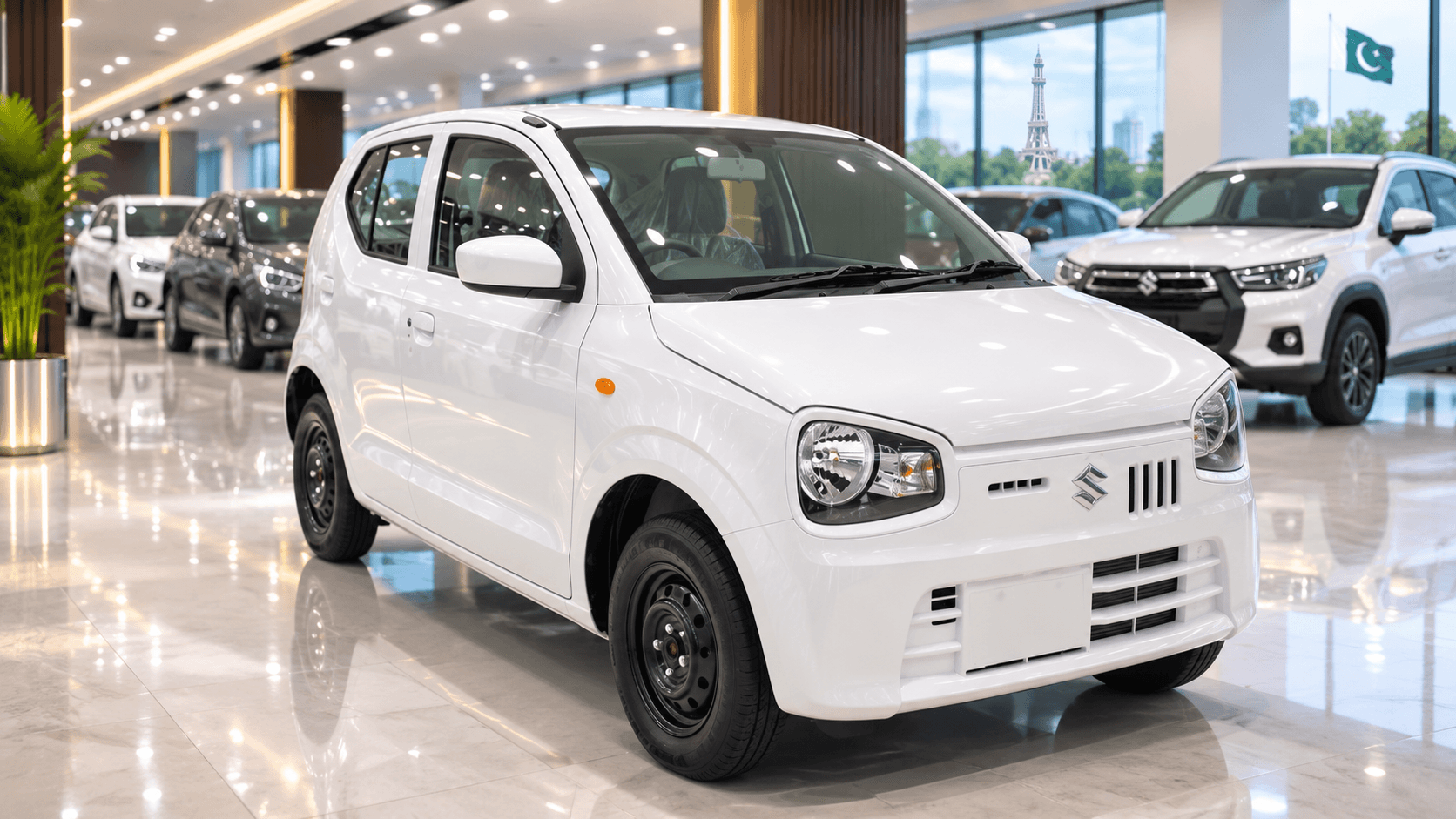
Industry estimates reported in October suggested that some conventional petrol and hybrid vehicles could become approximately 8–10% cheaper, while plug-in hybrid vehicles could see potential reductions of more than 20%.
For selected vehicles priced between Rs 5 million and Rs 6 million, estimated savings could reach Rs250,000 to Rs300,000, according to an automotive industry expert quoted in recent reporting.
However, these figures are estimates rather than confirmed price reductions. Actual savings will depend on the final tax structure and how manufacturers adjust their prices.
Will Petrol Car Owners pay more?
The policy is not limited to electric vehicles. Gradual reductions in import duties on automotive components could lower production costs for local assemblers, potentially benefiting conventional car buyers as well.
However, the proposed Automotive Development Levy (ADL) on conventional petrol-powered vehicles with engines above 1,000cc could offset some of these benefits. Vehicles up to 1,000cc are expected to remain exempt from this levy protecting buyers who rely on affordable vehicles.
This means the actual impact of financial relief on car buyers could vary depending on the vehicle category and the final tax structure.
What Should Car Buyers Expect?
Although the policy presents the possibility of more affordable vehicles, immediate price reductions are not guaranteed. Manufacturers will also need to pass any production-cost savings on to customers.
For people planning to purchase a new vehicle, it may be worth keeping an eye on official policy notifications and upcoming price announcements.
The draft policy has received the Prime Minister’s approval and will be considered by the federal cabinet before formal implementation.
Industry Takeaways for Car buyers
- Vehicle prices could decrease gradually as import duties and production costs fall.
- EV and plug-in hybrid buyers could benefit from proposed preferential tax rates.
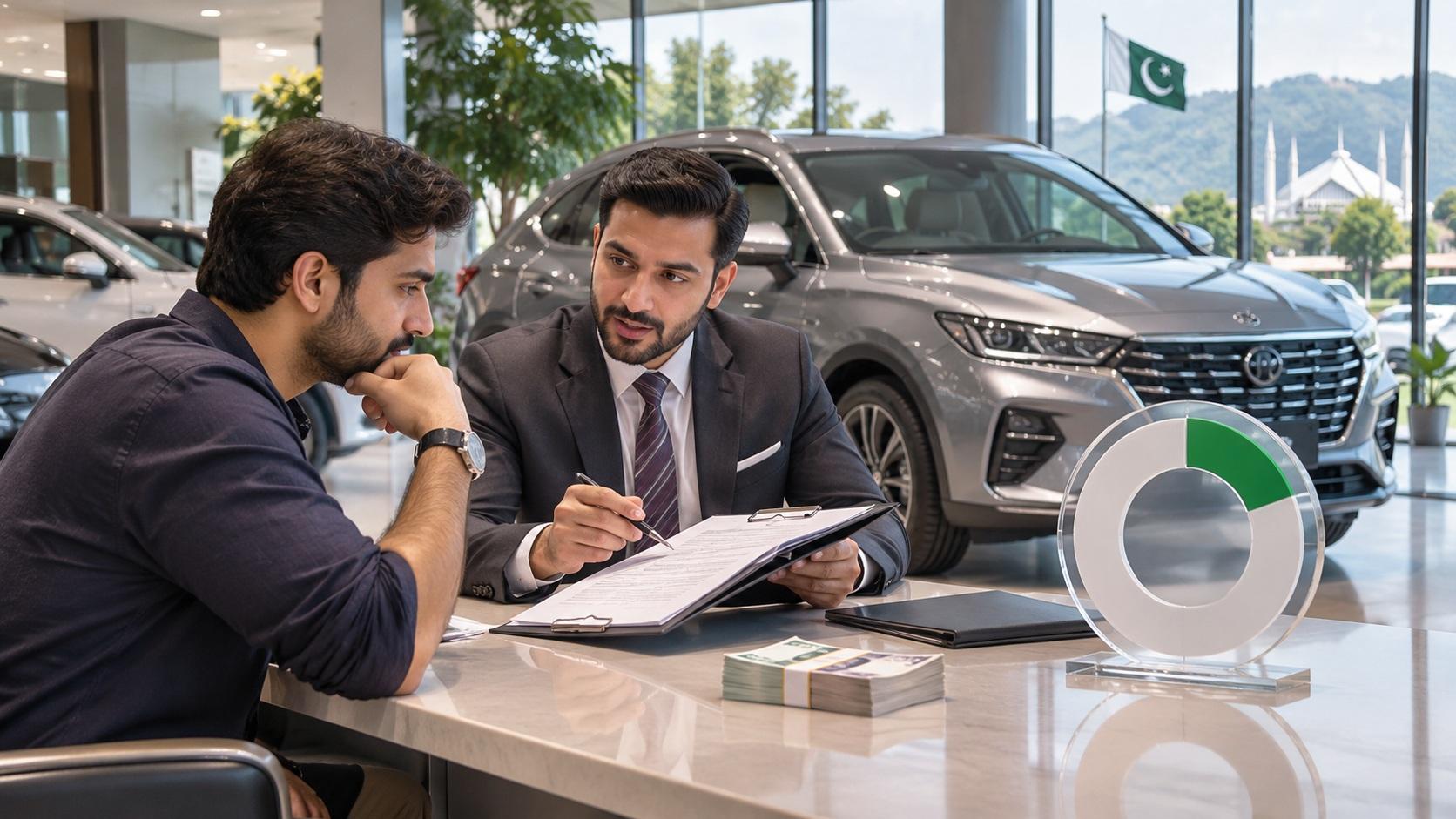
- A 20% cap on advance booking payments aims to improve consumer protection.
- Local manufacturers will face greater pressure to meet localisation and export targets.
- Actual showroom prices will depend on implementation and manufacturers’ pricing decisions.
For Pakistani car buyers, the new Auto Policy 2026-31 could bring positive changes to the automotive market. However, the real benefit will become clear only when the proposed measures are formally implemented and reflected in vehicle prices.